
Geographic Regions
Choose a region below to view countries in that region. Regions are grouped by ITU classification.
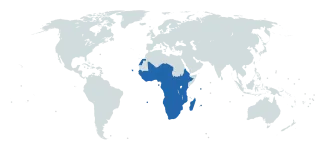
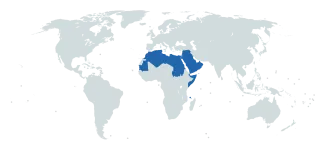
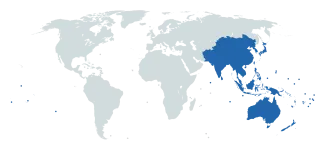

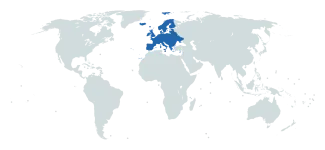
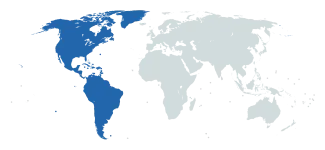
Browse all Countries

Uruguay, located in South America, is a small nation with a population of over 3.4 million, the majority of which is concentrated in the capital city, Montevideo. The country’s geography is predominantly flat, which aids in the construction and maintenance of telecommunications and technology infrastructure. In terms of technology, Uruguay stands as an outlier in Latin America due to its advanced ...
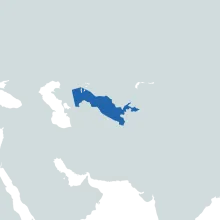
Uzbekistan, located in Central Asia, is the most populous country in the region with a population of around 35 million. The population distribution is uneven with the majority concentrated in the fertile Fergana Valley in the eastern part of the country, while the western part, the Kyzylkum Desert, is sparsely populated. The capital city, Tashkent, is a hub for technology and telecommunications ...

Vanuatu, a Pacific island nation with a population of approximately 320,000, is composed of 83 islands, many of which are volcanic in origin, creating a challenging geography for the implementation of energy and telecommunications infrastructure. The population is predominantly rural with only around a quarter residing in urban areas, further complicating the provision of widespread, high-quality ...
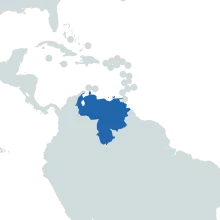
Venezuela, located in South America, boasts a diverse geography ranging from the Andes Mountains to the Caribbean coastline, Amazon rainforest, llanos (plains), and the Orinoco River Delta. Its population of approximately 28 million is largely concentrated in the northern regions, especially in the capital, Caracas, and other major cities such as Maracaibo and Valencia. This distribution presents ...
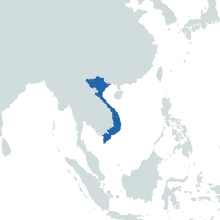
Vietnam, with its elongated geography stretching over 1,650 kilometres from North to South, poses challenges for infrastructure deployment. Its diverse terrain, ranging from the highlands and dense forests in the North, to the Mekong Delta in the South, can often necessitate unique and one-off solutions. Vietnam's population is unevenly distributed, with a high concentration in urban centres like ...

Wallis & Futuna, located in the South Pacific, comprises two main inhabited islands and a number of smaller islets, with a population of about 11,000 individuals. The population is dispersed unevenly, with most residents living on the Wallis Island. The geographical isolation and scattered population pose challenges for technological and telecommunication infrastructure. Despite its geographic ...

Yemen, a country located in the southwest corner of the Arabian Peninsula, has a diverse and rugged topography consisting of mountain ranges, plateaus and desert plains. It has a population of approximately 33 million, with a high concentration of its populace in the western regions and a relatively low density in the eastern desert areas. The country includes the island of Socotra, a remote ...

Zambia, located in south-central Africa, is a landlocked nation with geographic features that include rugged terrain, vast plains and high plateaus. The population of about 19.5 million people is spread unevenly, with a high concentration in the capital, Lusaka, and the Copperbelt Province. These areas, due to their density, have relatively better access to infrastructure. In contrast, the rural ...
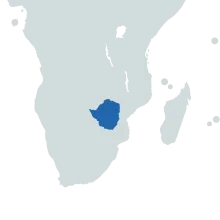
Zimbabwe, located in southern Africa, is landlocked, with a diverse topography ranging from highveld, balancing boulders and flaming msasa trees, to laidback towns, lush mountains and lifeblood rivers. Its population is unevenly distributed, with a high concentration in the capital city, Harare, and other major cities, such as Bulawayo and Chitungwiza, but rural areas are significantly less ...