
Geographic Regions
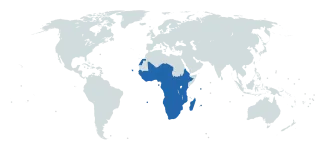
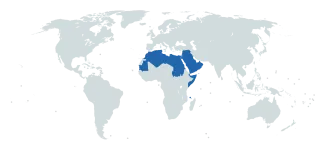
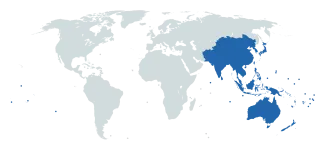
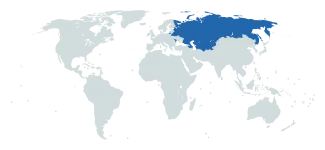
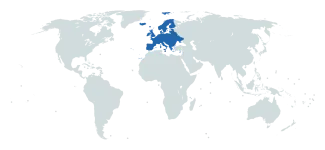
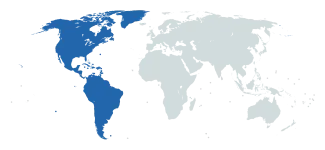
Choose a region below to view countries in that region. Regions are grouped by ITU classification.
Browse all Countries

Lithuania, situated in Northern Europe, is a relatively small country with a population of approximately 2.8 million people dispersed across its 65,300 square kilometres. The population is primarily urbanised, with around 68% residing in urban areas, primarily in the capital, Vilnius, and other major cities such as Kaunas and Klaipeda. Lithuania boasts a robust telecommunications infrastructure ...
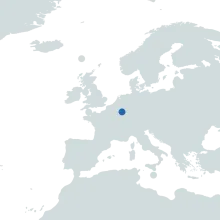
Luxembourg, located in Western Europe, is a small, landlocked country with a diverse terrain that includes the Ardennes mountains and the Moselle river valley. The population distribution is largely urban, with over 90% of its near 650,000 population residing in urban areas; the capital city Luxembourg houses a large portion of the country's total population. Despite its small size, Luxembourg is ...
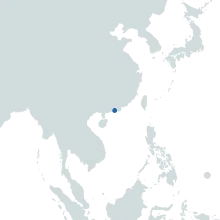
Macau, an autonomous region on the south coast of China, has a territory of 32.9 square kilometres, housing a dense population of over 680,000. The population is predominantly urban, with a high concentration in the Macau Peninsula, Taipa and Coloane islands. Macau is a significant global commercial hub with a robust infrastructure network. The region has a well-developed telecommunications sector ...

Madagascar, an island nation located off the southeast coast of Africa, presents unique challenges for technology and telecommunications due to its physical geography and population distribution. The nation is the fourth largest island in the world, with a diverse topography including highlands, plateaus, and coastal areas. Its population of approximately 29 million is largely rural, with about 40 ...
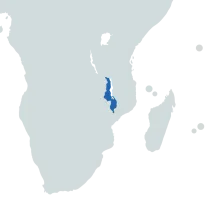
Malawi, located in south-eastern Africa, is a landlocked country with a diverse geography comprising highlands, plateaus, and valleys. The country's population of approximately 20 million is unevenly distributed, with a higher concentration in rural areas, complicating the provision of comprehensive services. Malawi is divided into three administrative regions: Northern, Central, and Southern ...

Malaysia, located in Southeast Asia, is a nation with a diverse geography that ranges from coastal plains to mountainous regions, with a population of over 33 million people evenly distributed across urban and rural areas. The country is divided into two regions, Peninsular Malaysia and East Malaysia, separated by the South China Sea. Malaysia's telecommunications landscape is advanced with high ...
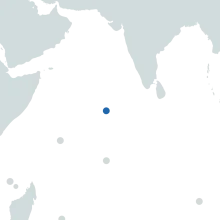
The Maldives is an archipelago of 26 atolls, made up of 1,192 coral islands, located in the Indian Ocean. This geography presents unique challenges for the provision of technology and telecommunication services, due to the wide dispersal of the population across many islands. The Maldives has a population of approximately 540,000, concentrated mainly in the capital city, Malé. In terms of ...
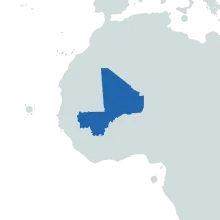
Mali, located in West Africa, is landlocked and has a diverse geography, ranging from desert in the north to subtropical in the south. The population is unevenly distributed with about 56% residing in rural areas, mostly in the southern regions which are more fertile. Meanwhile, the vast, sparsely populated northern regions are prone to conflict, which poses challenges to infrastructure ...
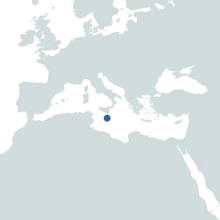
Malta, an archipelago located in the central Mediterranean Sea, boasts a population of approximately 520,000 people densely distributed across an area of just over 246 square kilometres. This high population density has led to a highly developed and robust telecommunications infrastructure. Malta's unique geographical constraints, being an island nation, have necessitated innovative solutions such ...

The Marshall Islands, located in the Pacific Ocean, are composed of 29 atolls and five isolated islands, making the geographic spread of its population quite dispersed. With a population of just over 40,000, the country's telecommunications infrastructure is primarily focused on Majuro and Kwajalein, the two most populated atolls. While some progress has been made in terms of telecommunications ...

Martinique, a French overseas territory located in the Caribbean, has a population of around 370,000 people, mostly concentrated in the capital, Fort-de-France. The island's hilly and volcanic terrain presents challenges for infrastructure development, including telecommunications. Despite this, Martinique boasts a fairly modern and well-developed telecommunications infrastructure. Fixed broadband ...
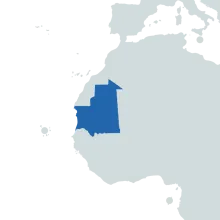
Mauritania, located in North West Africa, is predominantly desert terrain, with a population of roughly 4.7 million distributed mainly along the Senegal River and the Atlantic coast. This geographic and demographic layout presents unique challenges for the provision of telecommunications and energy infrastructure. The country's telecommunications sector is still in a developing phase with limited ...

Mauritius, an island nation in the Indian Ocean, has a population of approximately 1.2 million, primarily located in urban areas, notably in the capital city of Port Louis. The country's geographical isolation necessitates a strong focus on telecommunications and digital infrastructure. The government has invested heavily in fibre-optic broadband networks, covering the majority of the island. The ...
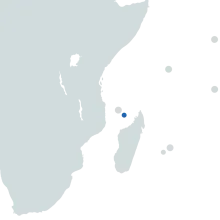
Mayotte, an island territory in the Indian Ocean between Madagascar and the coast of Mozambique, is part of the Comoros archipelago and a department of France. Its geography presents challenges for technology and telecommunications due to its remoteness and the distribution of its population across numerous small villages. This has led to distinctive infrastructure solutions like satellite-based ...
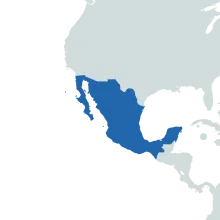
Mexico, located in the southern part of North America, has a diverse topography ranging from mountainous areas to coastal regions, which can present challenges for telecommunications infrastructure deployment. The population of approximately 128 million people is distributed unevenly, with a concentration in urban areas like Mexico City, Guadalajara and Monterrey. This necessitates a blend of both ...